
How to Book the Best Fishing Charters in Melbourne
Compare Melbourne fishing charters for Port Phillip Bay and offshore trips. See trip types, target species, costs and how to book with confidence.
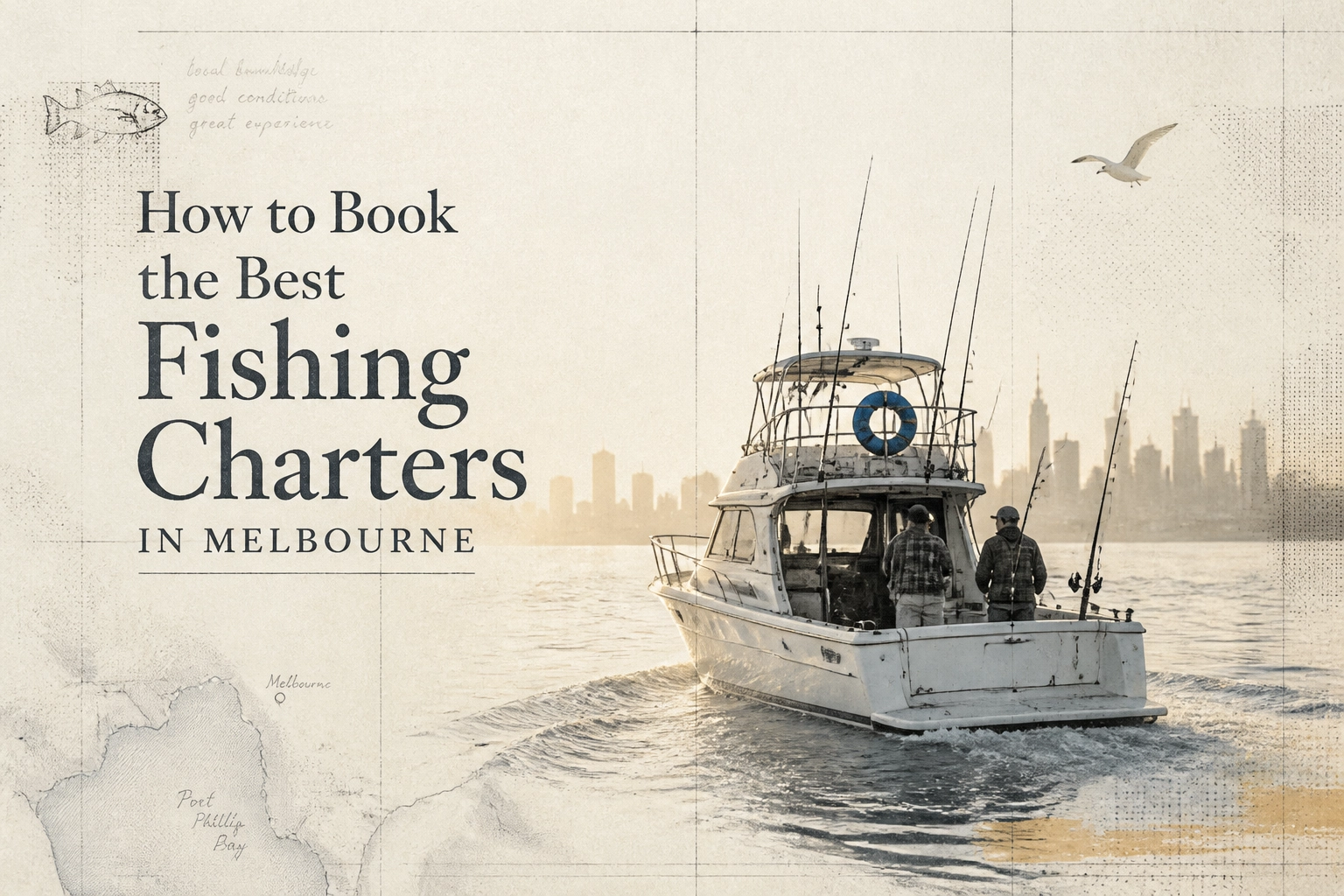
So you want to go fishing in Melbourne, but you're not sure where to start? Good news: you don't need your own boat, secret spot, or years of experience to have a cracking day on the water. That's where fishing charters Melbourne come in. They put the boat, gear, local know-how, and safety essentials in the hands of a skipper who does this all the time. You just show up ready to learn and hopefully reel in something memorable.
In this guide, we'll walk beginners through the whole process. We'll cover what a Melbourne fishing charter really includes, compare Port Phillip Bay and offshore trips, and show you where to start your search. You'll learn which species you might target, when to book around seasons and peak dates, and what Victorian licences, permits and charter rules in Victoria mean for you. We'll also cover safety, seasickness and what to bring, plus what a charter costs. Then we'll finish with a five-step checklist to choose and book with confidence, answer common FAQs, and help you take your next step to a day on the water.
What a Melbourne Fishing Charter Really Includes
A Melbourne fishing charter is a skippered boat trip, not a boat rental. Most depart Port Phillip Bay marinas such as Williamstown, St Kilda, Brighton, Werribee and Mornington. Offshore operators launch from Sorrento and Queenscliff.
Typical inclusions: a licensed skipper and deckhand, rods, reels and tackle, bait, ice, safety gear and fish cleaning. Most operators run half-day (4 to 5 hours), full-day (8 to 10 hours) or twilight trips.
Group sizes and vessel types: bay boats usually carry 4 to 12 passengers, while larger vessels suit corporate and buck's party groups. Private charter versus a shared ticketed seat changes both the price and the atmosphere on board.
Usually excluded: food and drinks on some boats, rod hire for extra anglers, and your own fishing licence. Never assume the operator's licence covers your personal obligations. Confirm current rules yourself.
Why a directory helps: fshntrp.au lets you compare inclusions, group sizes and departure points side by side instead of ringing five operators, and filter by area, species and trip length. Start your fishing charters Melbourne search there.
Port Phillip Bay vs Offshore Charters: Which Suits You
Next, match the water to your group. Bay charters suit calm days and new anglers; offshore charters deliver bigger fish and bigger commitments.
Bay charters: Sheltered Port Phillip Bay water suits families, first-timers and anyone worried about seasickness. Gear is lighter and techniques are simpler: bait or soft plastics. Typical targets are snapper, King George whiting, flathead and squid.
Offshore charters: These run through the Heads into Bass Strait for tuna, kingfish, mako and reef species. Expect longer days, a bigger budget and stronger sea legs. Gear is heavier, using trolling and jigging, with more hands-on deckhand guidance. Swell and wind warnings cancel offshore trips more often, so read the rescheduling policy before paying any deposit.
Port Phillip context: Port Phillip has been described as Australia's largest recreational fishery, credited with 25% of Victorian recreational fishing effort and 48% of the state's commercial bay and inlet catch. Those 2010 figures should be checked against current Fisheries Victoria publications before you rely on them.
Compare bay and offshore operators on fshntrp.au, then read on to where to start your search.
 Melbourne Fishing Charters: Where to Start Your Search
Ready to stop weighing bay against offshore and actually choose a boat? Here's where to start your search for fishing charters in Melbourne.
Start with fshntrp.au. This directory lists Melbourne charter operators with trip type, target species, departure point, price range and booking contact in one place. It is free to browse and built specifically for the fishing charters Melbourne search.
Book a Port Phillip Bay half-day charter. For beginners and small groups, this is the best-value entry point. Trips typically depart Williamstown, St Kilda or Brighton, with snapper, whiting and flathead on the menu.
Look at Mornington Peninsula and Sorrento departures. These give shorter runs to the bay's southern grounds and quicker access to offshore marks when conditions allow.
Consider offshore game charters from Queenscliff and western ports. Tuna and kingfish trips suit intermediate and advanced anglers who already own or know how to use heavy gear.
Compare private and group charters. For buck's parties, corporate days and extended family groups, weigh vessel capacity, catering and whether the boat is exclusively yours.
This list deliberately avoids naming individual operators until each business's licence, insurance and current pricing are verified. Directory listings go stale fast, and unverified claims cost you trust and bookings. Head to fshntrp.au to shortlist and book.
Target Species and What to Expect on the Day
Once your departure point is sorted, match your trip to what's biting.
Snapper: Port Phillip's headline target. Best in spring and early summer over reefs and channels. The Victorian Fisheries Authority publishes a snapper species page for current rules and limits, so check it before booking.
King George whiting: A family favourite, bait fished over sand. Bites come often and the gear stays simple. See the official King George whiting rules and limits.
Flathead: Reliable year-round on soft plastics. The ideal first charter target because it teaches casting and retrieval without heavy tackle or long waits.
Squid and calamari: Many bay charters drift for squid, giving you fresh bait and a feed to take home even on a quiet day.
Rules change. On the morning of your trip, check bag limits, size limits and closed seasons on the Victorian Fisheries Authority site. Your skipper's advice is not a substitute for the official rules. Want the right species for your date? Compare operators on fshntrp.au.
When to Book: Seasons and Peak Dates
Now you know what is biting, timing decides whether you get a spot. Snapper peaks from October to December, and weekend trips in that window book out weeks ahead, so lock in dates early. King George whiting and flathead fish well through summer and autumn. Winter bay trips are quieter and often cheaper: fewer fish, but far easier availability. Offshore tuna runs build from late summer into autumn off the Heads and around western ports, which lines up with school holidays and public holiday demand. Book early for school holidays, Melbourne Cup week, the Christmas to New Year period and long weekends. Midweek trips usually cost less and get more attention from the deckhand. Before you commit, check the Victorian Fisheries Authority recreational fishing forums page for 2026 proposals, including the mulloway improvement program, kingfish bag limit changes and a bait yabby permit trial. Treat each as proposed, not confirmed, until VFA publishes a determination. Ready to pick a date? Compare availability on fshntrp.au and book before the peak rush.
Licences, Permits and Charter Rules in Victoria
Once your dates are locked in, sort the rules.
Buy or renew your Victorian recreational fishing licence online through Service Victoria. Fees depend on duration and concession status, so check the current schedule when you purchase.
Do not assume a charter waives your licence. Public summaries do not clearly state exemptions for clients or skippers, so confirm with the operator and check the Victorian Fisheries Authority (VFA) before you go.
The 2026 proposals we mentioned, kingfish bag limit change, mulloway improvement program and bait yabby permit trial, remain proposals until VFA confirms them.
VFA has dedicated rock fishing safety and boating safety pages with legal and safety obligations. A charter reduces most boating risk, but you must still follow the skipper's instructions.
Enforcement and penalties apply on charters for bag and size breaches. The skipper's commercial licence does not transfer your personal obligations to you.
Confirm everything in writing before you pay a deposit, then book with confidence on fshntrp.au.
Safety, Seasickness and What to Bring
Once your licence and the skipper's rules are sorted, make the day itself easy with these five checks.
Vet the operator before you pay. Ask for a current commercial vessel survey, marine licence and public liability insurance. Confirm life jackets in the right sizes for children in your group. If they hesitate, book elsewhere.
Beat seasickness before it starts. It ruins more first trips than anything else. Take medication the night before and again in the morning as directed. Unsure about your stomach? Choose a calm bay charter.
Pack light and safe. Bring sunscreen, a hat, a windproof layer, soft-soled shoes, snacks and water. Leave glass and heavy bags at home; they are hazards on a moving deck.
Ask what is included. Confirm wet-weather gear, bait, ice and fish cleaning. "Tackle included" varies by boat, so ask specifically rather than assuming.
If you fish from shore too, read the VFA rock fishing and boating safety pages first. Charter or not, the same safety habits keep you out of trouble.
Ready to book? Compare Melbourne operators on fshntrp.au.
What a Melbourne Charter Costs
Now that safety is sorted, let's talk money. Prices for fishing charters Melbourne vary with trip type and group size.
Shared or ticketed half-day bay seats commonly land in the low hundreds of dollars per person. Private charters are priced per boat and rise with hours on the water and distance travelled.
Offshore and game trips cost more because of fuel, longer days and specialised tackle. Expect a clear premium for tuna and kingfish charters compared with inshore bay trips.
Extras to ask about: food and drinks, bait levy, rod hire for extra anglers, and whether fish cleaning and bagging is included or added to the final bill.
Group discounts and midweek rates are common in Melbourne, so request a quote rather than relying on the website price. Ask what happens if weather forces a change.
Prices move with fuel costs and season. Confirm the final figure, deposit amount and cancellation terms in writing. Compare several operators on fshntrp.au before you commit.
How to Choose and Book: A Five-Step Checklist
Now you know what you're paying for, here's how to lock in the right trip.
Pick your trip style. Decide bay or offshore, half day or full day, and shared or private. Match it to your group's experience and how they handle rough water. If anyone is unsure, stay in the bay.
Match the species to the season. Decide what you actually want to catch or eat, then check it's in season. Booking an out-of-season trip usually means a long, quiet day.
Vet the operator. Check credentials and licence status, then get inclusions, exclusions and the meeting point confirmed in writing by email or message.
Compare at least three operators on fshntrp.au. Weigh departure point, vessel, capacity and price, and read recent reviews rather than trusting one listing.
Book early for peak dates. Read the cancellation and rescheduling policy carefully, then reconfirm your departure time and meeting point the day before.
Tick all five and you're ready to book with confidence.
Fishing Charters Melbourne: FAQs
Got your shortlist? Here are the questions beginners ask most before booking a Melbourne fishing charter.
Do I need a fishing licence to join a charter in Victoria? Check current rules through Service Victoria and confirm the charter's exemption conditions directly with the operator. Do not rely on second-hand advice or outdated forum posts.
What should I bring on my first charter? Layers, sunscreen, soft-soled shoes, snacks and any medication you need. Most Melbourne operators supply rods, bait, ice and safety gear.
Is a charter suitable for children and non-fishers? Calm bay charters generally are. Check minimum ages, life jacket sizes and whether non-fishing passengers pay full fare.
How do I know an operator is legitimate? Ask for vessel survey, insurance and marine licence details. Use a directory such as fshntrp.au that checks operator details before listing them.
What happens if the weather turns bad? Most operators reschedule rather than refund. Read the policy before paying a deposit and keep a backup date in mind.
Ready? Browse fshntrp.au to find and contact Melbourne charter operators near you.
Your Next Step to a Day on the Water
Ready to stop reading and start fishing? Begin with the trip type, not the operator. Bay half-day charters suit beginners, families and small groups; offshore or game charters are for experienced anglers chasing tuna and kingfish. Lock in your date around snapper and whiting seasons, and book midweek for a quieter boat and lower rate. Before paying, confirm licence rules, inclusions and cancellation terms in writing. Then head to fshntrp.au to compare Melbourne operators by area, target species, group size and price. Shortlist the ones that fit and contact them directly to get your date on the water.
Conclusion
Booking the best fishing charters in Melbourne begins with choosing the right trip. For beginners, families and small groups, a calm Port Phillip Bay half-day charter is ideal. Experienced anglers chasing tuna or kingfish should look offshore. Next, match your date to the seasons for snapper and whiting, and consider midweek departures for quieter boats and lower rates. Always confirm inclusions, licence rules, safety gear and cancellation terms in writing before you pay a deposit. A trusted directory such as fshntrp.au makes comparing operators by area, target species, group size and price simple. Shortlist your favourites and contact them directly to secure your spot. Your next great catch is closer than you think. Pick a date, make the call, and get out on the water.