
What Makes Fishing Charters in Tasmania Worth Booking?
Compare fishing charters in Tasmania by region, target species and price. Learn licence rules, the best seasons and how to book with confidence.
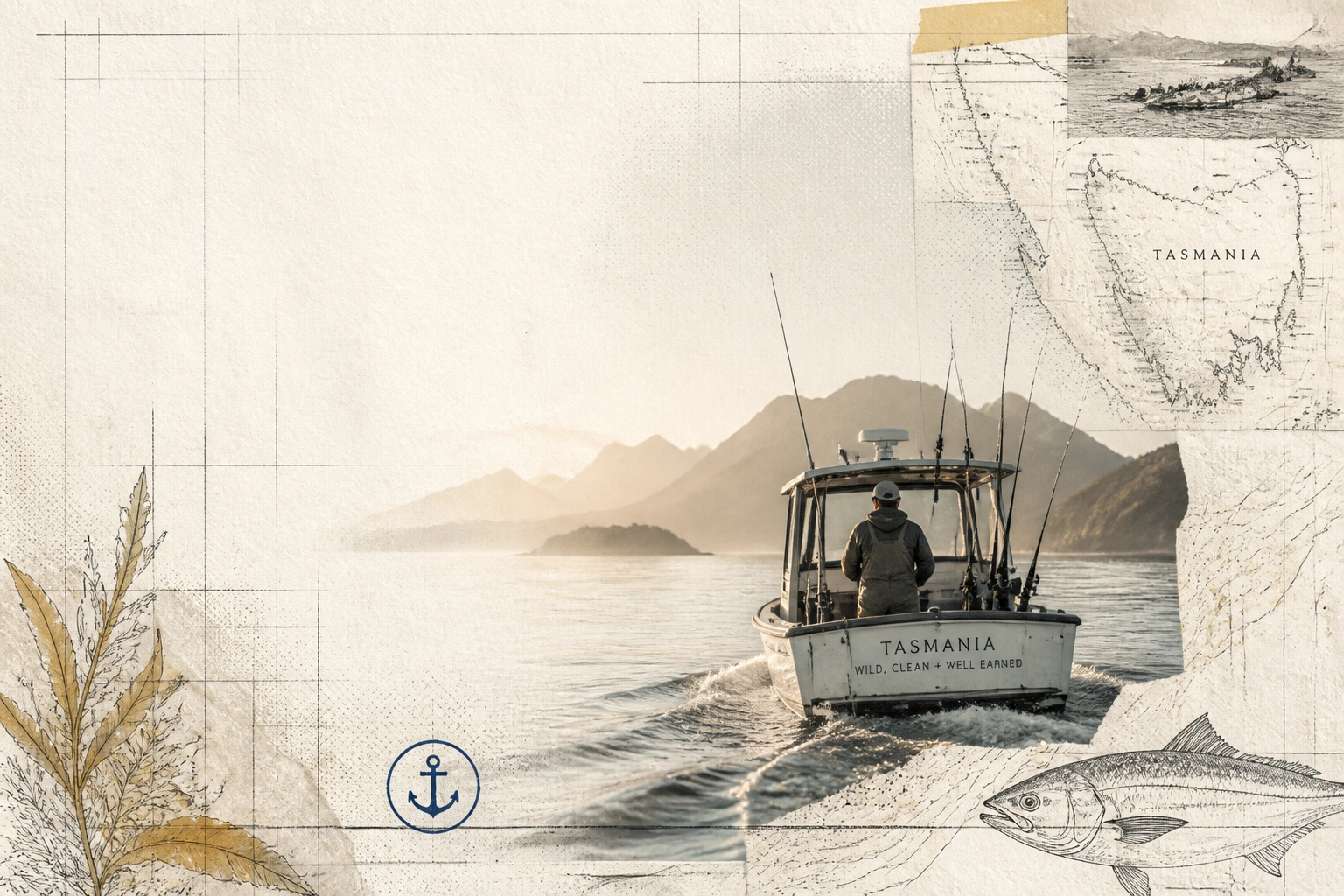
Tasmania's waterways promise wild scenery and memorable catches, but a first fishing trip can raise plenty of questions. That is where fishing charters in Tasmania come in: a guided option that helps beginners fish safely, learn local techniques, and enjoy the day without owning a boat. Whether you picture yourself casting near Hobart, exploring the East Coast around Freycinet, or trying the Tamar Valley from Launceston, a charter can match your comfort level and goals.
This guide explains what these trips actually involve, how to choose the right operator, and what changes by region, from Stanley to Strahan. You will also learn how estuary, offshore, and freshwater charters differ, which licences and rules apply, including Tasmania's inland angling licence requirements for people aged 14 and over and the annual licence period from 1 August to 31 July. We cover the best times to book, typical costs and inclusions, and a simple five-step booking process. By the end, you will have clear answers to common questions and confidence to plan your 2026 Tasmanian fishing trip.
What Fishing Charters in Tasmania Actually Involve
Charters fall into four types: sheltered half-day estuary trips around Hobart and the East Coast, full-day offshore reef and game charters, multi-day liveaboard expeditions, and guided freshwater days on Central Highlands lakes.
Most operators supply the vessel, a licensed skipper or guide, rods and reels, bait and tackle, safety gear and a filleting service at the jetty. Bring sun protection and a warm layer.
Groups range from four to twelve anglers per boat. Smaller groups mean more one-on-one coaching, helping beginners learn to bait up, cast and fight a fish.
A typical day runs three to eight hours, starting with a safety briefing, then gear set-up and technique coaching matched to the species and tide.
Inclusions vary. Confirm in advance whether food, drinks, transfers, licences and fish cleaning are covered, and whether the policy is keep or catch-and-release.
How to Choose the Right Fishing Charter Operator
Fishing Charters in Tasmania by Region
Once you have your shortlist, region becomes the fastest filter. Fishing charters in Tasmania cluster around five departure areas: Hobart, Launceston, Strahan, Stanley and Coles Bay. Each has different target species, travel times and weather exposure, so choosing your region first narrows the operator list fast.
Hobart and Launceston give the widest choice. Strahan, Stanley and Coles Bay involve longer drives and fewer boats, so book earlier. If time is limited or your group has mixed abilities, favour sheltered water, where trips are less likely to be cancelled for swell.
Hobart and the Derwent Estuary
Hobart is the easiest region to start with. The Derwent estuary, Kangaroo Bay and the D'Entrecasteaux Channel give beginners and families sheltered water. Expect black bream, flathead, Australian salmon and Gould's squid inshore, with snapper and flathead also on the local species list. Many operators run half-day trips from the Hobart waterfront, and afternoon or evening squid charters are popular in warmer months. The Derwent is tidal and the seaward limit separates marine and inland water; you don't need a licence for rod-and-line fishing in marine waters, but an Inland Fisheries licence is required for freshwater including some river mouths and estuaries. Confirm the rules for your stretch with your operator.
Freycinet and the East Coast
Head north east from the Derwent for a wilder backdrop. Great Oyster Bay, Coles Bay and Bicheno give access to flathead, Australian salmon and squid, with striped trumpeter and offshore tuna appearing in the warmer months. Squid in this zone are closed from 15 October to 14 November 2026, so check dates before booking. The Freycinet Peninsula shelters much of the bay, making Coles Bay and Bicheno a reliable choice for visitors based nearby. Triabunna also launches trips to the continental shelf, a longer day better suited to experienced anglers. Summer demand is high with Wineglass Bay visitor traffic, so book four to eight weeks ahead for December to February dates.
Launceston and the Tamar Valley
If Freycinet's summer crowds put you off, northern Tasmania offers an easier introduction. The Tamar estuary around Launceston, Beauty Point and George Town holds bream, flathead and Australian salmon in calm water that suits beginners and small groups. Boats launching from George Town, Low Head and Bridport can reach Bass Strait grounds for snapper, trevally and seasonal tuna without the long run from Hobart. Because the Tamar is tidal, confirm whether your stretch falls under Inland Fisheries Service rules or general marine rules, and ask the operator which licence, if any, applies. Half-day and full-day options make this a practical pick if you are based in the north and would rather not drive three hours south.
Stanley and the North West Coast
Further west, Stanley, Smithton, Boat Harbour and Rocky Cape offer a small-town alternative to the busier east coast. These ports sit close to reef ground holding snapper, morwong, flathead and, in season, striped trumpeter and tuna. Expect quieter water and more personal attention from smaller operators.
Weather windows can be tighter here than in the sheltered south east, so keep your dates flexible and ask about rescheduling and cancellation terms before paying a deposit. Several towns have public boat ramps, letting some operators run shorter, cheaper trips for groups on a budget. Check current size and bag limits before keeping reef fish, since striped trumpeter stocks are depleted.
Strahan and the West Coast
Continue south from the North West and the charter map narrows to Strahan. Macquarie Harbour and the lower Gordon River provide calm, scenic water where charters target brown trout, bream and Australian salmon against a forested wilderness backdrop. Only a small number of west coast operators run here, so availability is limited; enquire well ahead of your travel dates. Rain and changeable weather are part of the deal, so pack wet-weather gear and build in a spare day rather than a single tight window. If scenery and a gentle introduction matter more than offshore trophy hunting, shortlist this region first.
Estuary, Offshore and Freshwater Charters: How They Differ
 Estuary, Offshore and Freshwater Charters: How They Differ
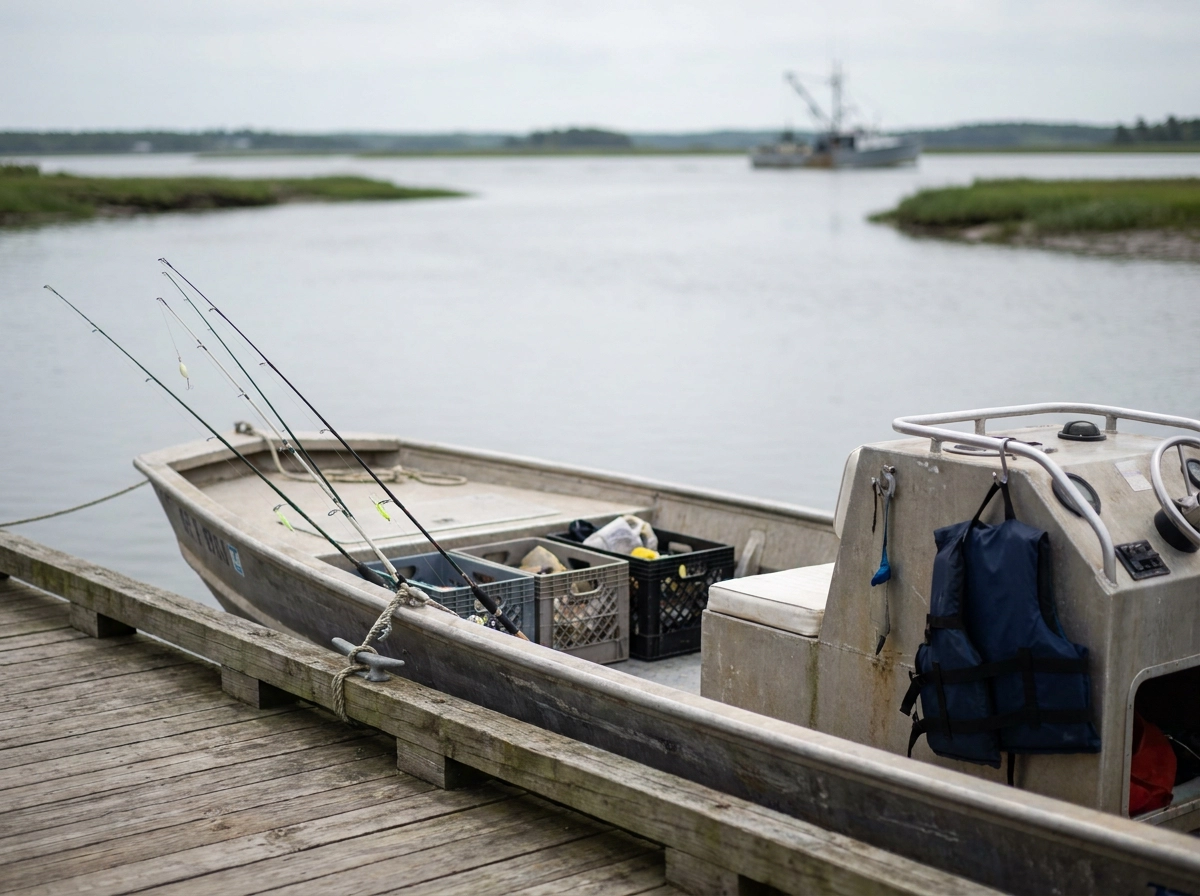
Away from the west coast, compare charter styles. Estuary and inshore trips run four to six hours in sheltered water, cost least and suit families and beginners, targeting bream, flathead, salmon and squid. Offshore reef and game charters run longer and further, cost more and are weather dependent, but are the only realistic route to southern bluefin tuna, albacore or striped marlin. Freshwater guided days on Great Lake, Lake Pedder or the Western Lakes target brown and rainbow trout; anyone 14 or over needs an angling licence on inland water. Match the trip to your group: calm inshore water for mixed abilities and children, offshore for confident anglers chasing a bucket-list species, freshwater for a fly or lure challenge. With one day, choose the nearest region and an inshore trip; with a week, split an estuary session and offshore day.
Licences and Rules Every Charter Guest Should Know
Freshwater trips add one more thing to sort out. Anyone aged 14 and over needs a current angling licence to fish with a rod, reel or line at any inland water in Tasmania, so check the rules before you book a freshwater guided day. The licence year runs 1 August to 31 July, so buy or renew early for the 2026 season rather than mid-trip. Applying online through Service Tasmania takes about five minutes; service centre and phone options also exist. Carry digital or printed proof on the water.
An inland angling licence does not cover saltwater charters. Marine rules differ, so confirm the position with your operator before departure. Bag limits, minimum sizes and bait and lure restrictions sit in the Inland Fisheries Regulations 2019. Check current limits on the Inland Fisheries Service website, not older guides or forum posts. Operators also work under Marine and Safety Tasmania requirements covering vessel survey, safety equipment and skipper qualifications. Follow the skipper's instructions on life jackets and gear handling.
Best Times to Book and What You Can Target
With licensing covered, timing matters next for fishing charters in Tasmania. December to March is peak season: warm weather, school holidays and the southern bluefin tuna run lift demand, so book four to eight weeks ahead with top operators. Autumn (March to May) brings calmer seas and steady inshore flathead, bream and squid, often at better prices than summer. Winter (June to August) is quiet offshore; the new angling licence year begins on 1 August, a good time for a guided trout day. Targets by water type: inshore black bream, flathead, Australian salmon, snapper and calamari; offshore striped marlin, albacore, southern bluefin tuna, mako shark and gemfish; brown and rainbow trout inland. Plan a flexible date range and ask about weather and cancellation policies, because swell and wind, not the calendar, decide whether a charter leaves the wharf.
What a Fishing Charter Costs and What Is Included
How to Book Your Charter: Five Simple Steps
With inclusions and costs clear, booking follows five straightforward steps.
Choose your region and target species, then set a flexible date range around the season instead of locking in one day.
Confirm group size and special needs, including children, non-anglers and anyone prone to seasickness, so you select the right boat and trip length.
Compare operators on FSHNTRP.au using its region, species, trip type and price filters, then shortlist two or three.
Send each the same questions about inclusions, licence requirements, group size, recent catches and weather policy, and compare answers side by side.
Pay your deposit, confirm the meeting point and departure time, and pack sun protection, warm layers, non-slip footwear and seasickness tablets. For inland water, buy your angling licence online first.
Common Questions About Fishing Charters in Tasmania
Once your booking is confirmed, a few practical questions often come up.
Do I need a licence? Anyone 14 and over needs a current angling licence for inland waters. Saltwater charter rules differ, so confirm requirements with your operator before booking.
How long is it valid? The angling licence year runs 1 August to 31 July. A licence bought in June expires at the end of July.
How quickly can I get one? Applying online through Service Tasmania takes about five minutes. Service centre and phone options are also available.
Can I keep my catch? Bag limits, minimum sizes and bait and lure rules are set in the Inland Fisheries Regulations 2019. Many operators encourage catch and release, so check their policy.
Are charters suitable for beginners and children? Many are, especially sheltered inshore trips. Ask about minimum ages, life jacket sizes and how many anglers share the boat.
What if the weather is bad? Ask upfront whether the trip will be rescheduled or refunded, and how much notice the operator gives.
Where do I find and compare operators? Browse regional listings on FSHNTRP.au and contact operators directly to check availability and inclusions.
Plan Your 2026 Tasmanian Fishing Trip With Confidence
With your questions answered, turn research into a booking. Shortlist two or three operators on FSHNTRP.au by region, trip type and target species, then send each the same questions about inclusions, group size and weather policy for a fair comparison. For inland water, buy or renew your angling licence online in about five minutes; it runs 1 August to 31 July. For saltwater charters, confirm licence and safety requirements with your operator and follow the skipper's instructions on the day. Book four to eight weeks ahead for December to March dates, keep your travel dates flexible for weather, and read cancellation terms before paying a deposit.
Conclusion
Fishing charters in Tasmania are worth booking because they turn a good day on the water into a safe, productive adventure. You can target estuary, offshore, or freshwater species, and each region offers a different experience, from Hobart and the Derwent to Freycinet, Launceston, Stanley, and Strahan. Choose an operator carefully by comparing group size, inclusions, licence needs, and weather policy. For inland trips, sort your angling licence through Service Tasmania; for saltwater, follow your skipper's guidance. Ready to plan? Browse regional listings on FSHNTRP.au, shortlist two or three operators, ask the same questions about inclusions and cancellation terms, and book four to eight weeks ahead for December to March dates. Keep your travel dates flexible and step aboard with confidence. Your 2026 Tasmanian fishing trip starts with one simple inquiry.