
Fishing Charters in Broome: Which Trip Fits You Best?
Compare fishing charters in Broome by trip type, season and inclusions. Learn licensing rules, bag limits and how to book a compliant operator.
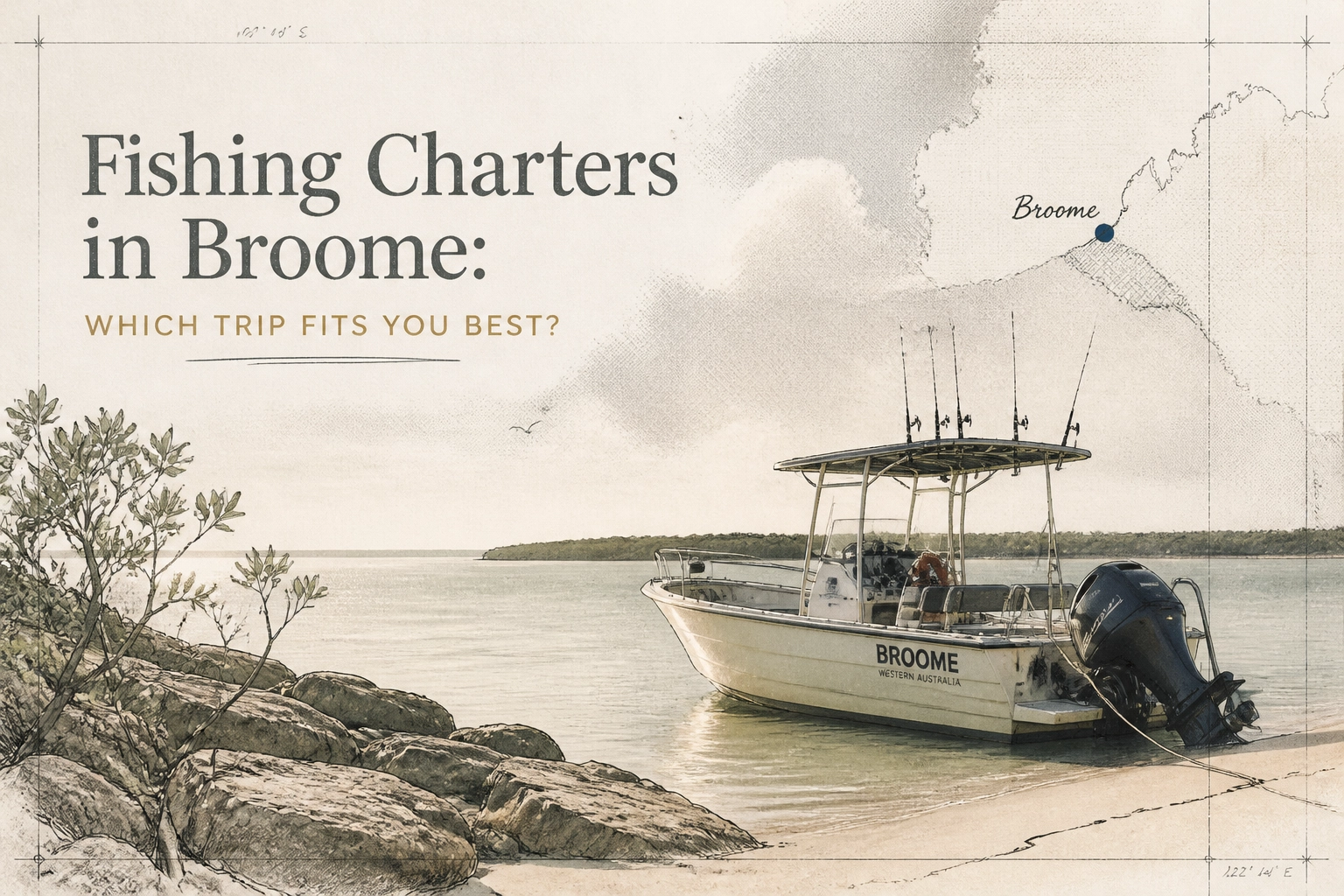
Broome sits on a coastline where huge tides, warm water and untouched reef systems combine to create some of the most productive fishing grounds in Australia. For a first-time visitor, that can feel overwhelming. With so many operators, boat sizes and target species on offer, how do you know which fishing charters in Broome actually suit you?
This guide breaks it down. It compares every major trip type, from reef and bottom fishing to sportfishing, barramundi and estuary charters, mud crabbing, family-friendly outings, overnight Kimberley adventures and fly fishing. You will also find a comparison table to match trip styles to your group, a season-by-season summary of when each species bites best, and clear explanations of licensing, bag limits and possession rules that charter guests should understand. We cover how to choose a licensed, compliant operator, what to bring on the day, and crocodile safety basics. By the end, you will know exactly which charter fits your experience, your budget and your group, and how to compare options with confidence before you book.
Why Broome Is a Standout Base for Fishing Charters
Broome sits on the Kimberley coast. Warm tropical water, inshore reefs, large tidal creeks and the continental shelf lie within reach of town. That geography lets charter operators offer reef, estuary and bluewater fishing in one day. DPIRD's Fishing Tour Operators Handbook (North Coast) describes the charter boat industry as giving visitors "world-renowned fishing-based activities". Recfishwest has reported that fishing tourism is a major driver in WA's blue economy, though this is an advocacy claim without published figures here. With many styles, the real question is not which boat is "best" but which trip type matches your group, budget and comfort on the water. Note the DPIRD handbook dates from March 2019; confirm current bag, size, licensing and reporting rules with DPIRD before booking.
1. Compare Every Option in One Place with FSHNTRP.au
With so many trip styles available, FSHNTRP.au puts every option in one place. Compare fishing charters in Broome by trip type, duration, group size, target species and price range, instead of opening a dozen operator websites.
Listings carry decision-driving details: boat type and size, skipper experience, inclusions, departure point and whether the operator holds a current DPIRD fishing tour licence.
Shortlist two or three operators, then send enquiries or request quotes from the listing so you compare like with like. The directory is free and neutral, giving beginners an unbiased starting point rather than a sales pitch or sponsored ranking.
Directory data can change, so confirm licence numbers, onboard bag limits and reporting obligations with the operator before paying a deposit. Next, we cover reef and bottom fishing charters.
2. Reef and Bottom Fishing Charters
Reef and bottom fishing charters are the classic half and full-day option: drifting or anchoring over inshore reefs and shoals for coral trout, snapper, emperor and cod. They suit beginners and mixed groups because techniques are simple, usually bait fishing with a running sinker or paternoster rig, and crews give plenty of hands-on help. Ask what depths and grounds the operator fishes, how many anglers are aboard, and whether rods, reels, bait and tackle are included. Many operators run shorter trips in the lee of islands, cutting travel time, keeping water calmer and reducing seasickness risk for first-timers. Confirm the skipper enforces recreational bag and size limits on board and reports each trip through DPIRD's Tour Operator Return Book.
3. Sportfishing and Game Fishing Charters
For a faster pace, sportfishing and game fishing charters target bigger, faster fish like mackerel, trevally, queenfish and tuna with lures, poppers or live bait around headlands, shoals and bait schools. They suit anglers casting and retrieving for hours in tropical heat; fitness and heat tolerance matter as much as skill. Full-day or extended charters are the norm because productive grounds can sit an hour or more from town, and you want fishing time rather than travel time. Ask whether the operator supplies spin or overhead tackle, what lures and baits they use, and whether they promote release or keep fish for the table. Beginner-friendly versions exist: look for instruction, smaller group sizes and shorter runs, or book a half-day first to test your comfort level.
4. Barramundi and Estuary Fishing Charters
When offshore winds close in, estuary charters come into their own. They work the Kimberley's creeks, tidal flats and river mouths for barramundi, threadfin salmon, mangrove jack and mud crabs in shallow, structure-rich water.
Tides, not weather, drive these trips. Book around the bigger tides near the new and full moon; departure times shift week to week. Shallow-draft boats and creek knowledge matter more than offshore range, so ask how long the skipper has fished these waters.
They suit beginners and fly anglers, since fish often hold in visible shallows and casting distances stay short. Barramundi limits still apply on charters: a 550mm minimum, 800mm maximum and daily bag of 2. Confirm current rules and any closures with DPIRD before booking.
5. Mud Crabbing Charters
If you would rather spend the day pulling dinner from a creek than casting for barramundi, mud crabbing charters are a low-effort, high-reward option. Dedicated trips set pots and hand lines in creeks and over mudflats; some operators add a couple of hours of fishing. DPIRD's handbook lists specific mud crab limits for charter operators, so ask up front how many crabs you can take and whether the boat keeps them. Crabbing suits families with young children or anyone avoiding all-day sun. Tides drive results, so plan around low-tide windows and expect departure times to vary. If you plan to eat your catch, confirm cleaning and cooking arrangements and whether pots are supplied.
6. Family and Beginner-Friendly Charters
Unlike crabbing trips that revolve around tides, family charters succeed on comfort. Look for operators advertising small group sizes, sheltered grounds, short travel times and crew who bait up and unhook fish for you. These are the markers of a genuinely beginner-friendly trip.
Ask specifically about life jackets for children, shade, toilet facilities, seasickness measures and whether the vessel suits non-swimmers. Half-day trips remain the safest first charter for families: lower cost, less travel and fewer tired or bored kids.
Confirm minimum ages, whether non-fishing passengers pay a reduced rate, and the policy if weather forces a cancellation or reschedule. A good beginner operator sets expectations clearly, covering bag limits, what to bring, pick-up times and how much fishing help the crew provides.
7. Overnight and Multi-Day Kimberley Charters
Beyond family-friendly half-days, overnight and multi-day Kimberley charters reach remote reefs, the Buccaneer Archipelago and far creek systems that day boats cannot reach in one trip. Expect higher per-person prices, but more fishing hours, a wider spread of species and fewer other boats on the same grounds. Ask about vessel size and stability, berths, air conditioning, meal and alcohol inclusions, and whether fuel or marine park surcharges apply on top of the quoted rate. These trips need careful planning around weather windows and limited charter availability, so book well ahead for dry season departures and keep dates flexible. They are not ideal for a first charter unless your group is confident on the water; try a full-day trip first to test sea legs and comfort.
8. Fly Fishing Charters
For a shorter, specialised option, fly fishing charters are a niche but growing choice. Guides pole shallow flats and creek systems for queenfish, trevally, threadfin and barramundi on fly. These trips suit anglers with basic casting skills; most guides coach beginners, but expect a full day casting in hot, windy, glare-heavy conditions. Ask whether rods, reels and flies are supplied, whether trips are wade or boat based, and what realistic catch rate to expect at your level. Groups are usually one or two anglers per guide, so per-person costs run higher than a shared bait-fishing charter, though the attention is greater. Book early in the dry season when water clarity and bait activity peak, and stay flexible about moving creeks if tide or wind turns.
Matching Trip Types to Your Group: Comparison Table
Indicative only: rates move with fuel, seasons and group sizes. Confirm with each operator.
Trip | Duration | Target species | Season | Group | Price | Inclusions | Best for | Listing |
|---|---|---|---|---|---|---|---|---|
FSHNTRP.au directory | Varies | All | Year-round | Any | Free | Filters, licence checks | First-timers | Listings |
Reef/bottom | ½-1 day | Coral trout, snapper | Dry | 4-12 | $$ | Tackle, bait | Families | Reef |
Sport/game | 1 day | Mackerel, trevally, tuna | Dry | 2-6 | $$$ | Lures, tackle | Serious anglers | Sport |
Estuary/barra | ½-1 day | Barra, threadfin, jack | Build-up | 2-6 | $$ | Shallow boats, guide | Beginners | Estuary |
Mud crabbing | ½ day | Mud crabs | Big tides | 2-8 | $ | Pots, cleaning | Crab lovers | Crabbing |
Family/beginner | ½ day | Reef species | Dry | 2-8 | $ | Gear, crew help | Families | Family |
Overnight Kimberley | 2-7 days | Reef, pelagic | Dry | 4-12 | $$$$ | Meals, berths | Serious anglers | Overnight |
Fly fishing | 1 day | Queenfish, trevally | Dry | 1-2 | $$$ | Rods, flies, guide | Experienced anglers | Fly |
Best Time to Fish Broome: Seasons at a Glance
Whichever trip type suits your group, timing decides your results. Broome's dry season (roughly April to October) brings lighter winds, clearer water and easier seas, the peak period for reef and estuary charters. April to June offers warming water and steady reef fishing; July to October brings light winds and clear days. The build-up and wet season (roughly November to March) can deliver excellent barramundi and creek fishing, but heat, storms and cyclones make offshore trips far less reliable. Tides matter as much as months: big tides concentrate bait and improve barramundi, threadfin and crabbing, while neaps suit calm inshore reef trips. Availability tightens in dry-season school holidays and peak tourist months, so book early, stay flexible and expect weather reschedules.
Licensing, Bag Limits and Rules Charter Guests Should Know
Once you have chosen a season, confirm the rules that apply on the water. Fishing tour operators in the north coast region, including Broome, must hold an appropriate DPIRD licence and follow the Fishing Tour Operators Handbook. Recreational bag, boat and size limits still apply on charters, so check current limits for your target species rather than relying on the 2019 handbook in 2026. Operators report trips through a Tour Operator Return Book, and separate mud crab limits apply to charter-taken crabs, so ask what yours are. Marine reserve zoning also restricts where fishing can occur; ask the skipper which grounds fall inside sanctuary or recreation zones. Selling charter-caught fish and shark tourism have their own rules. For anything unclear, call DPIRD's Broome office on (08) 9193 8600.
How to Choose a Licensed, Compliant Operator
 How to Choose a Licensed, Compliant Operator
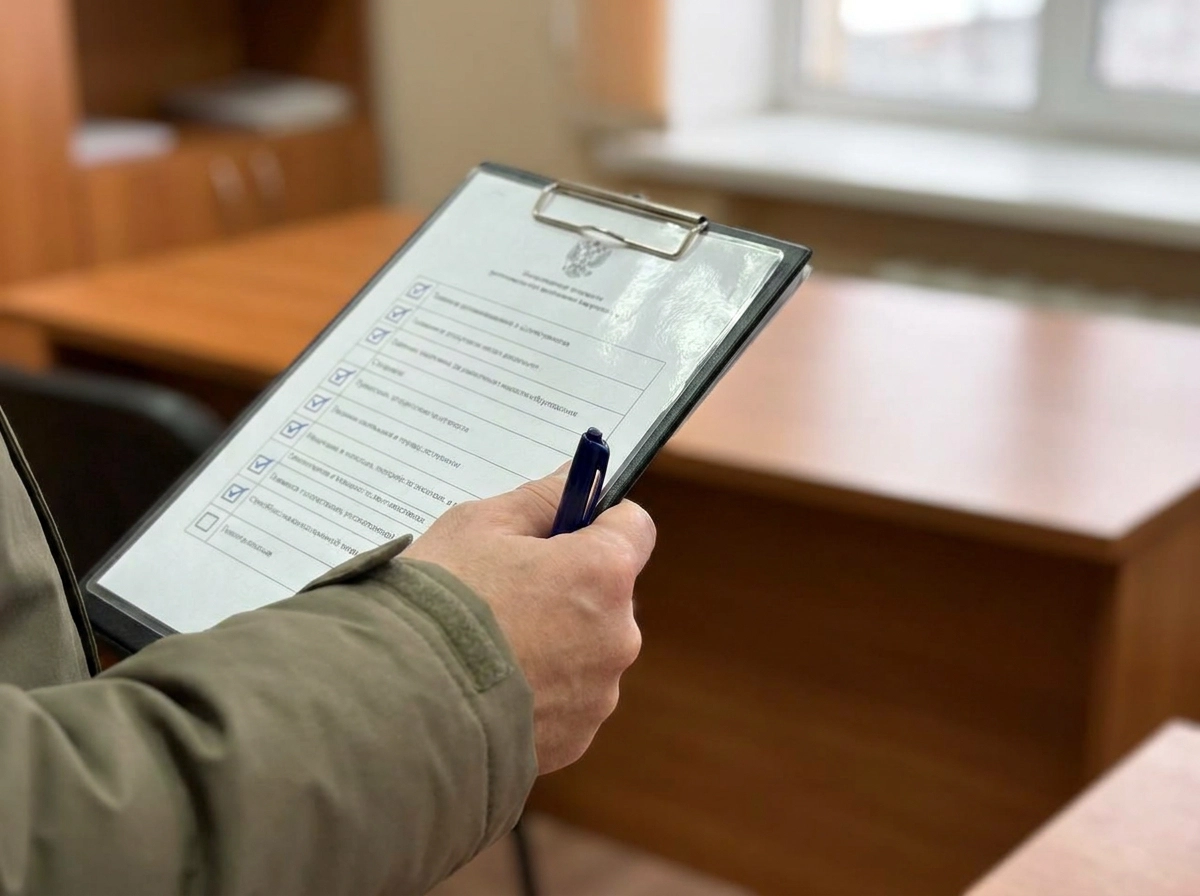
With the regulatory basics clear, use this checklist to separate compliant Broome operators from persuasive websites.
Licence details. Ask for the DPIRD fishing tour licence number and confirm it covers your trip type and zone, not charters broadly. Note whether it is restricted or unrestricted for taking fish home.
Vessel and crew. Check current insurance, AMSA certificate of survey and skipper qualifications. Confirm EPIRBs, correctly sized life jackets and a working radio are aboard.
Reviews. Read recent reviews for group sizes, beginner help and how weather cancellations or refunds are handled.
Inclusions. Compare gear, bait, licences, meals, drinking water and fish cleaning line by line; similar prices often differ.
Shortlist and confirm. Use FSHNTRP.au to compare, then email your questions so answers are in writing before any deposit.
What to Bring and Crocodile Safety Basics
Once your shortlist is set, packing is straightforward. Bring long sleeves, a wide-brimmed hat and reef-safe sunscreen. Use a soft bag, not a hard esky, and wear non-marking deck shoes.
Unsure how you will handle the motion? Pack seasickness tablets and take them when the skipper advises, usually well before departure.
Follow Be Croc Wise: never lean over the side at creek mouths or mudflats, keep catch and scraps out of the water, and follow crew instructions on tidal banks.
Skip excess gear. Before packing, confirm whether the boat offers shade, a toilet and drinking water, and whether trips run rain or shine. Check operator inclusions against your own list so you do not pay twice or leave an essential item behind.
Conclusion: Compare, Confirm, Then Book
With preparation sorted, start with FSHNTRP.au to compare licensed Broome charter operators by trip type, duration, inclusions and price, then shortlist two or three that suit your group. Before paying a deposit, confirm the operator's current DPIRD licence, the bag and size limits for your target species, and the marine park zones you will fish. Match the trip to the people: half-day sheltered charters for families and first-timers, full-day or overnight trips for experienced anglers chasing bigger fish. Book early for dry season dates and keep a flexible window, as weather cancellations and reschedules are normal in the Kimberley. If licensing, limits or safety remain unclear, call DPIRD's Broome office on (08) 9193 8600 and get the answer in writing.